16th UCL Risk and Disaster Reduction Annual Conference
2 min read · Last updated 1 October 2026
Overview
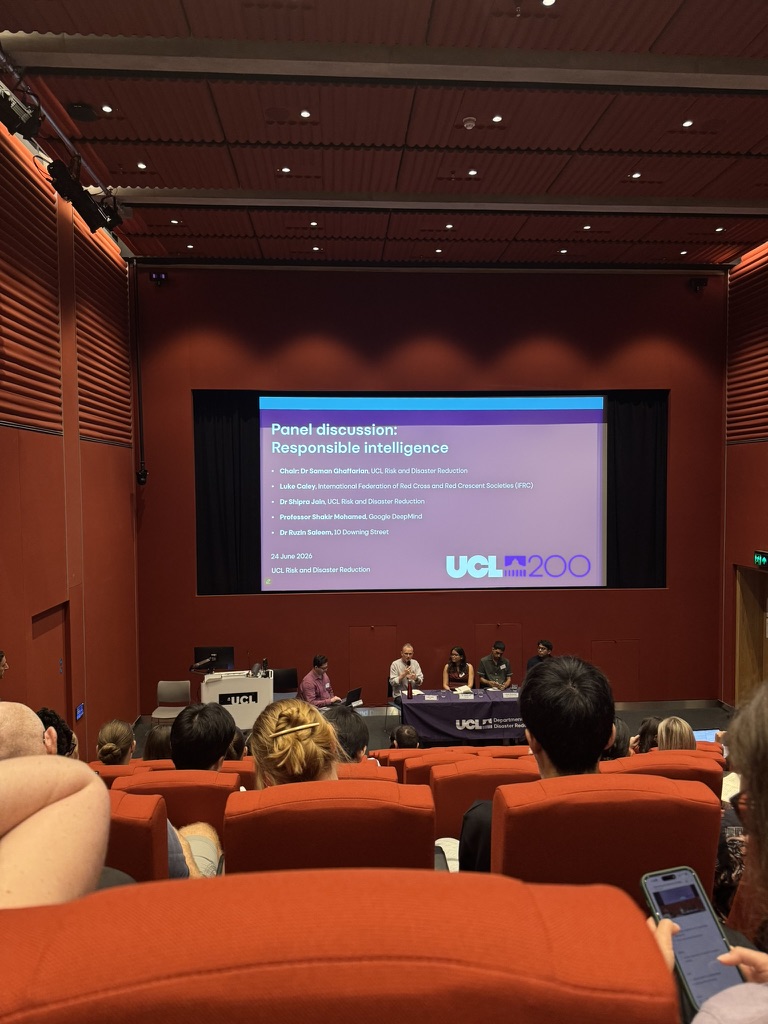
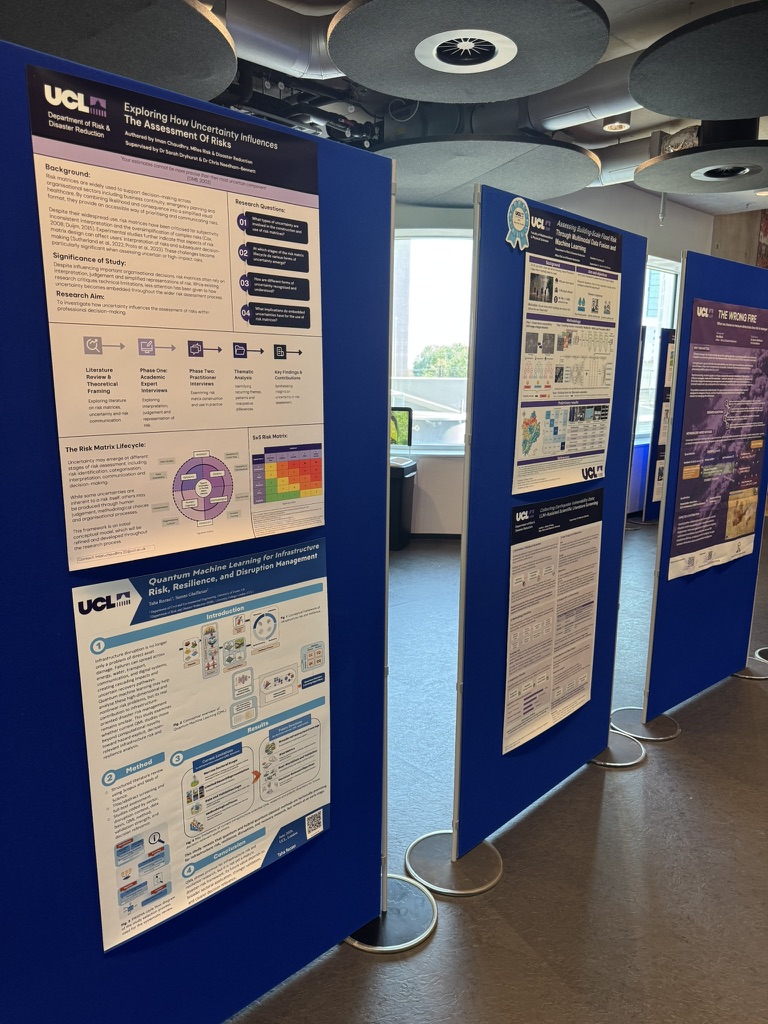
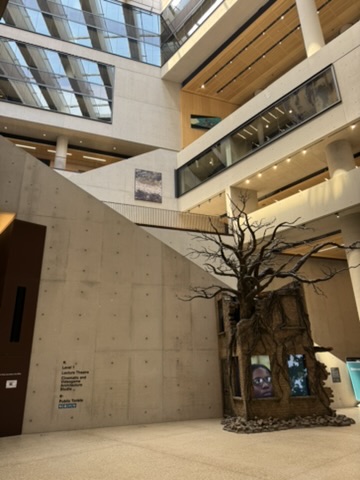
The 16th Annual Conference of UCL's Risk and Disaster Reduction research group took place in June 2026 at UCL's East campus, timed to coincide with UCL's 200th anniversary, under the theme Cities of the Future: Risks, Resilience and Reimagination. The conference brings together academics, policymakers, and practitioners working on natural hazards, climate risk, and urban resilience. This edition had a particularly broad scope: flood risk modelling, heat stress in urban environments, community resilience, early warning systems in low-income settings, and the governance structures needed to translate technical risk knowledge into action.
High-quality hazard data existed, but institutional capacity, political will, or community trust was the binding constraint. Technical accuracy is necessary - it is not sufficient.
Why it Resonated
A recurring theme across sessions was the gap between technical risk assessment and the institutional capacity needed to act on it. Several speakers drew on cases where detailed, well-validated hazard information was available but had failed to produce meaningful risk reduction, because the limiting factor was governance rather than analysis. That framing maps directly onto questions I think about in climate modelling: what does it mean to produce a good projection, and how much of the work of getting from projection to outcome sits outside the model entirely?
The UCL200 Dimension
The anniversary framing gave the conference a reflective quality that distinguished it from more methods-focused events. There was an implicit taking-stock of what disaster risk reduction has achieved (and not achieved) over two centuries of urban growth, and where the discipline needs to go as cities expand faster, the climate shifts, and the populations most exposed become increasingly urban. That broader perspective made for some of the more interesting conversations of the weekend, and sat well alongside the more technical sessions that formed the body of the programme.